Back in the summer of 2020, the world was deep into lockdowns and mobile gaming was absolutely exploding. During their Q2 earnings call that year, Activision Blizzard dropped some serious numbers about Call of Duty: Mobile — it was crushing the top-grossing charts in the U.S. app stores and seeing daily net bookings that left the previous quarters in the dust. Fast forward to 2026, and it’s crystal clear that the mobile push wasn’t just a flash in the pan; it was the start of a whole new playbook for one of gaming’s biggest names.
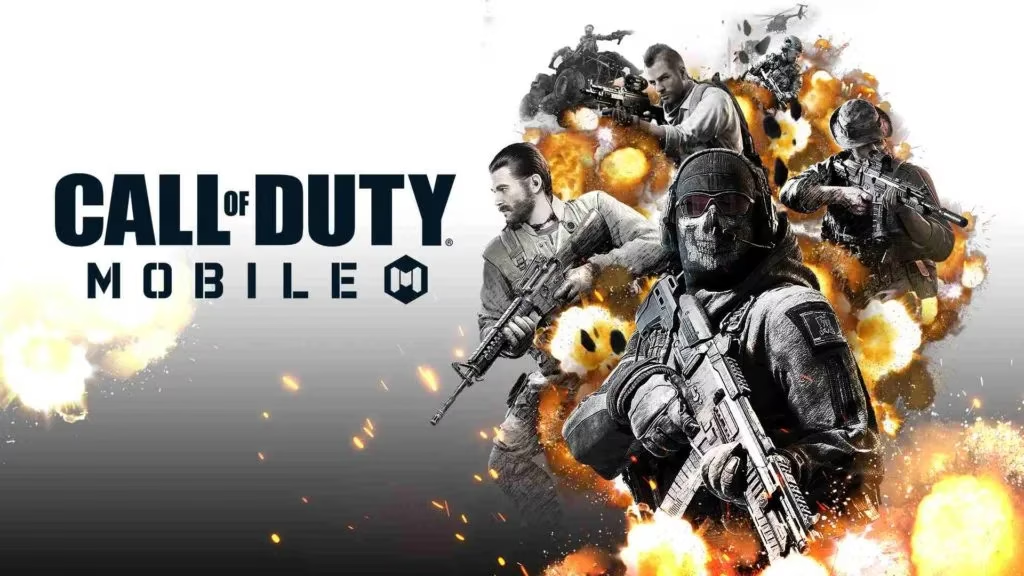
Rob Kostich, President of Activision back then, was beaming when he said, “We’re extremely happy with the sustained trends we’re seeing on Mobile.” And man, was that an understatement. Call of Duty: Mobile didn’t just sustain — it evolved into a mobile powerhouse that’s still raking in cash years later. In 2026, regular seasons, battle passes, and a thriving esports scene have turned it into the real deal, proving that a console-quality shooter can live happily in your pocket.
But CoD Mobile was just the tip of the iceberg. The same quarter, Candy Crush — that sweet, sweet match-three juggernaut — saw double-digit growth and stayed among the high rollers in the U.S. app stores. It’s funny how years later, Candy Crush still has a chokehold on casual gamers, and it’s basically printed money for the mobile division like a well-oiled ATM.
What really got the rumor mill spinning in 2020, though, was the mention of bringing more Activision IPs to mobile. The announcement of Diablo Immortal back in 2018 had been met with a chorus of boos — you probably remember the “Do you guys not have phones?” meme — but by 2020, the tone was shifting. Internal testing was about to ramp up, and Daniel Alegre, then President and COO, teased, “Diablo Immortal looks great.” He wasn’t just blowing smoke. When Immortal finally dropped in mid-2022, it quickly hit over $100 million in player spending within its first few months, silencing a ton of critics. By 2026, it’s still getting meaty updates and stands as a case study in how to bounce back from a disastrous reveal.
And the mobile parade didn’t stop there. Crash Bandicoot: On the Run arrived, had its moment, and eventually sunsetted, but the lessons learned fed right into what came next. Dennis Durkin, the CFO at the time, told investors, “There’s a lot more to come on mobile too… we’re just scratching the surface.” Those words aged like fine wine. After Microsoft scooped up Activision Blizzard, the mobile strategy got a massive shot of adrenaline. In 2024, Warcraft Arclight Rumble finally hit global markets, bringing the Warcraft flavor to the small screen with a tower-offense twist that felt both fresh and familiarly Blizzard. By 2026, it’s carving out its own niche alongside established titans.
The real kicker? The whole industry started following suit. When CoD Mobile proved you could transform a giant FPS franchise into a mobile titan, other big studios paid attention. Activision’s success essentially cracked the code for how to port deep, authentic IP experiences to mobile without dumbing them down — high engagement, cross-platform integration, and respect for the core fanbase. In 2026, players seamlessly bounce between their phones, consoles, and cloud sessions thanks to that early mobile foundation.
And let’s not forget the original naysayers. Many a gamer side-eyed mobile announcements, but Activision played the long game. By leaning into robust live operations, generous content drops, and a constant pulse on what the community actually wanted, they turned skeptics into daily grinders. Even the old “mobile games aren’t real games” crowd has mostly eaten their words by now.
Looking back, that 2020 earnings call was a genuine turning point. What seemed like a pandemic-fueled spike in player spending was actually a preview of a permanent shift. Today, Activision’s mobile arm is a cornerstone of Xbox’s broader gaming ecosystem, churning out hits and giving legacy IPs a second life on devices that everyone carries. If you’d told anyone in 2020 that CoD Mobile would still be a top-grossing beast six years later while sitting next to Diablo Immortal and Arclight Rumble in the app stores, they might’ve called you crazy. But here we are — proof that sometimes, the mobile gamble really does pay off in spades.